HVAC · Flatgap, KY
We combine technical precision with transparent communication, ensuring your new cooling system is installed correctly and performs reliably for years to come.
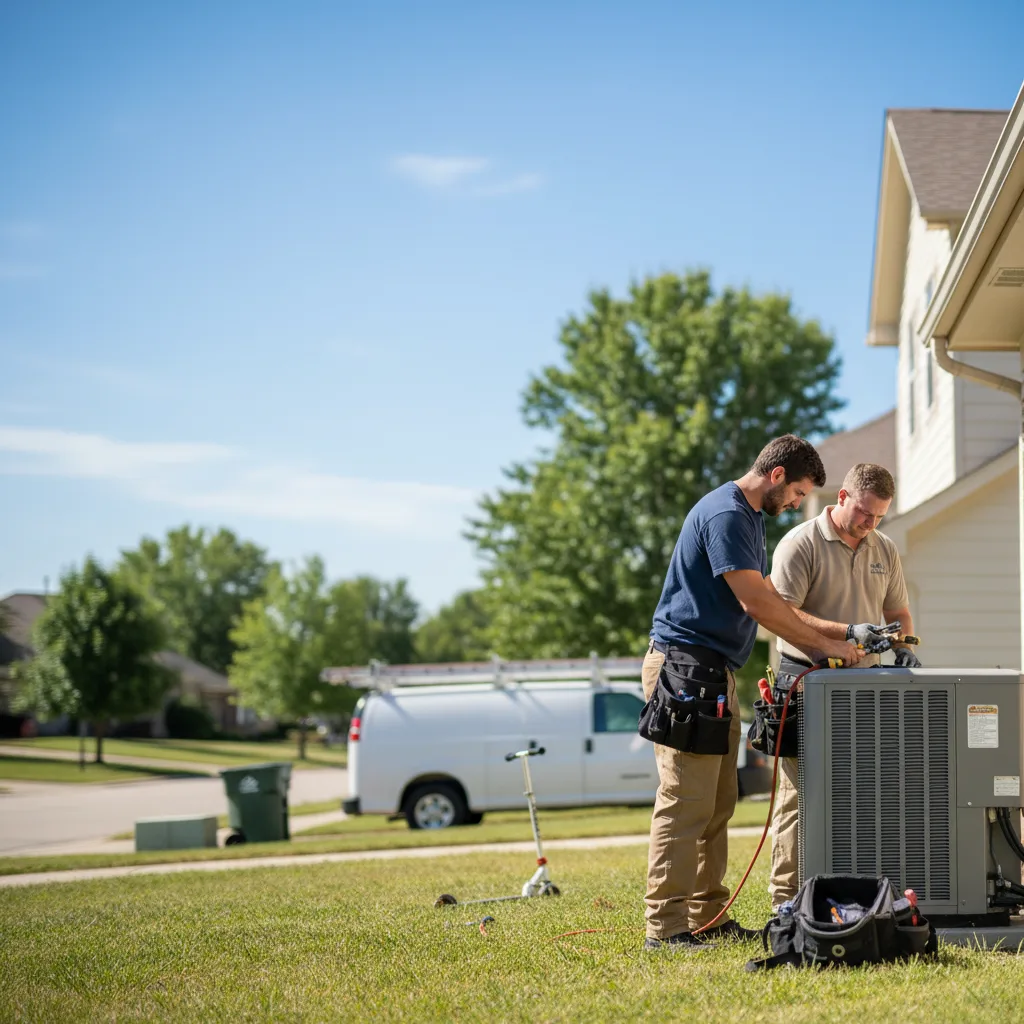
Installing a new air conditioning system represents a significant investment in your home's comfort and efficiency. Whether you're replacing an aging unit, upgrading to a more efficient model, or installing cooling for the first time, proper installation determines how well your system performs for years to come. Benchley AC Repair provides complete installation services in Flatgap, KY, from initial assessment through final testing and startup.
The installation process begins with understanding your specific cooling needs. Factors like square footage, insulation quality, window placement, ceiling height, and typical occupancy all influence which system will perform best. In areas known for warm summers and cold winters, and 129 nights below freezing, selecting equipment rated for local conditions ensures reliable operation during peak demand periods. We evaluate your home's existing ductwork, electrical capacity, and layout to recommend systems that integrate seamlessly with your property.
Proper sizing is critical. An oversized unit cycles on and off too frequently, wasting energy and failing to control humidity effectively. An undersized system runs constantly without achieving comfortable temperatures, especially during extreme weather. We perform detailed load calculations rather than relying on rough estimates, ensuring your new system matches your actual cooling requirements.
Even the highest-efficiency air conditioner underperforms when installed incorrectly. Refrigerant charge must be precise—too much or too little reduces efficiency and can damage components. Ductwork connections need proper sealing to prevent conditioned air from escaping into attics or crawl spaces. Electrical connections require careful attention to manufacturer specifications and local code requirements.
Condensate drainage systems must slope correctly to prevent water backup that can damage ceilings and walls. Outdoor unit placement affects both performance and longevity, requiring adequate clearance for airflow while protecting equipment from debris and potential damage.
FAQ

Musty odors usually indicate mold or mildew growth on the evaporator coil or in the ductwork. Moisture naturally collects on the cold evaporator coil during operation, creating conditions for biological growth if the coil stays damp. Clogged condensate drains can worsen the problem. Professional cleaning and proper drainage eliminate odors and improve indoor air quality.
Short cycling results from oversized equipment, thermostat problems, refrigerant issues, or dirty coils. An oversized system cools too quickly and shuts off before completing a proper cycle. Thermostat location near heat sources causes false readings. Low refrigerant or dirty condenser coils trigger safety switches. Identifying the specific cause requires professional evaluation of system operation.
Refrigerant should never need recharging in a properly functioning system—it circulates in a closed loop. If your system needs refrigerant added, you have a leak that should be repaired. Simply adding refrigerant without fixing the leak wastes money and allows the problem to continue. Professional leak detection and repair restore proper refrigerant levels permanently.
Several issues can cause reduced cooling capacity. Low refrigerant from a leak prevents the system from absorbing enough heat. A dirty evaporator coil restricts airflow and heat transfer. A failing compressor can't build the pressure needed for proper refrigeration. Blocked condenser coils prevent heat from dissipating outside. A diagnostic visit identifies which component is causing the problem and determines the most effective repair.
Annual maintenance before cooling season is the standard recommendation. A maintenance visit includes cleaning coils, checking refrigerant levels, testing electrical components, inspecting the condensate drain, and verifying system performance. Regular service catches small issues before they become expensive failures and helps maintain efficiency. Systems that run year-round or operate in dusty conditions may benefit from more frequent service.